Critical Breaking Insights: Inside Israel–Gaza Ceasefire and the Growing Humanitarian Crisis”
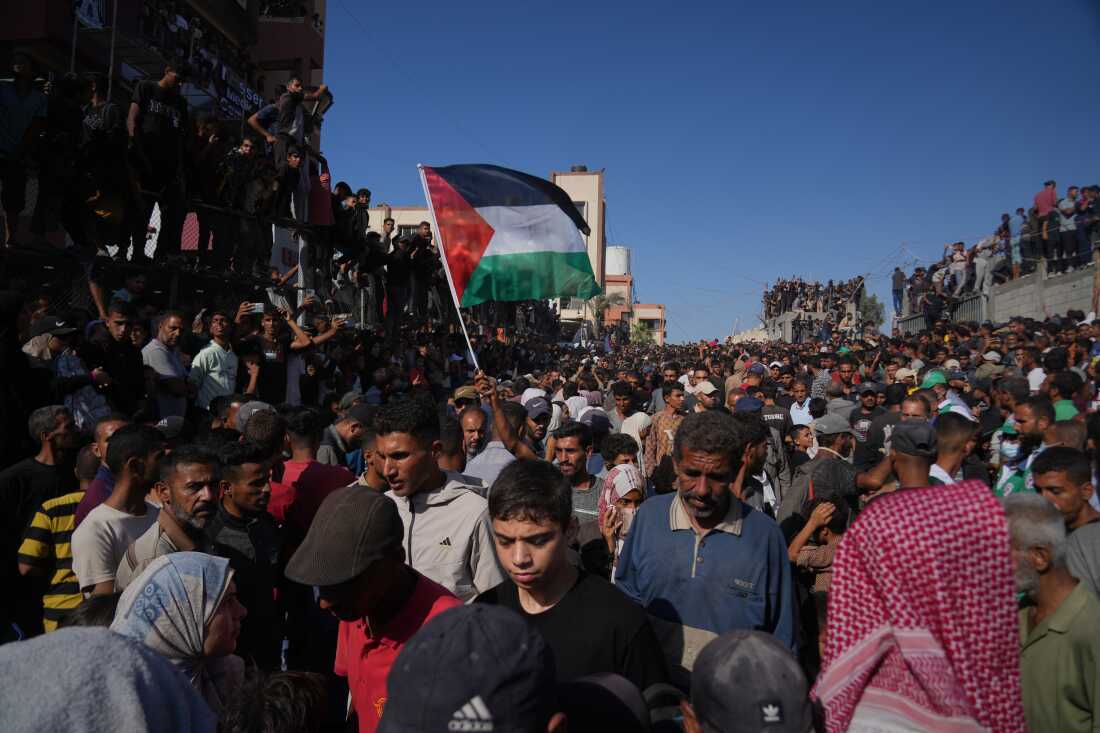
Critical Breaking Insights: Inside Israel–Gaza Ceasefire and the Growing Humanitarian Crisis”
Get the latest verified updates on the Israel–Gaza ceasefire, humanitarian aid access, health collapse, and diplomatic developments. A full analysis of how restricted aid and border closures are impacting Gaza’s civilians. (2025 Update)
Introduction
The Israel–Gaza ceasefire, declared under intense international pressure, has entered a tense phase. While fighting has largely halted, humanitarian challenges remain severe. Aid restrictions, border closures, and health system failures have created one of the region’s worst humanitarian crises in decades. This in-depth report explores the latest developments, aid delays, medical collapse, and diplomatic reactions shaping the future of Gaza and Israel.
Current Developments
1. Release of Captives’ Bodies
Authorities have confirmed that Hamas has returned additional bodies of deceased Israeli captives to the Red Cross. This brings the total number of bodies returned to eight. Israel has expressed concern about incomplete transfers and has warned of possible delays in the entry of aid supplies into Gaza.
2. Humanitarian Aid Restrictions
Only a fraction of the agreed aid trucks have been allowed into Gaza. Many crossings, including Rafah, remain partially or fully closed. The limited flow of humanitarian goods has deepened the suffering of civilians, leaving many without access to food, clean water, or medicine.
3. Ceasefire Fragility
Despite the ceasefire, isolated incidents of violence continue to occur. Civilians remain fearful that renewed hostilities could erupt if terms of the agreement — including the release of captives and reopening of borders — are not fully implemented.
4. Humanitarian Impact
Since October 2023, tens of thousands have been killed or injured. The destruction of infrastructure and homes has displaced a large portion of Gaza’s population. Aid organizations report an alarming rise in hunger and disease, as medical supplies are scarce and many hospitals remain non-functional.
The Health Crisis in Gaza
Gaza’s healthcare system is on the verge of collapse. Many hospitals and clinics have been destroyed or shut down due to fuel and supply shortages. Doctors report that they are unable to treat chronic illnesses such as heart disease, diabetes, and cancer due to the lack of medical equipment and medicine.
Thousands of people with severe injuries are waiting for evacuation to receive treatment abroad. Aid agencies warn that without immediate international intervention, the crisis could lead to widespread deaths from preventable conditions.
Diplomatic Efforts and Political Pressure
International mediators, including the United Nations and regional powers, have urged both sides to uphold the ceasefire and prioritize humanitarian access. Efforts are underway to fully reopen the Rafah and Kerem Shalom crossings, which are critical for delivering medical supplies and food.
At the same time, political leaders around the world are calling for accountability and an independent investigation into civilian casualties. Diplomacy continues, but progress remains slow as each side accuses the other of violating the terms of the truce.
The Situation on the Ground
Reports from local journalists describe markets slowly reopening in southern Gaza after the withdrawal of Israeli forces. However, most areas remain in ruins, and food prices are rising due to restricted imports. Families returning home often find their houses destroyed and basic utilities unavailable.
Many people are living in temporary shelters or makeshift camps, with limited access to clean water and electricity. Humanitarian organizations continue to appeal for unimpeded aid delivery to prevent further suffering.
What Lies Ahead
Observers say the next few weeks will determine whether the ceasefire can hold. The key factors to watch include:
- Full release of captives and the return of all bodies as agreed.
- Reopening of the Rafah crossing to ensure the steady entry of aid supplies.
- Restoration of essential services such as water, electricity, and healthcare.
- International monitoring to verify compliance and prevent renewed conflict.
The world’s attention is now focused on whether humanitarian needs will finally take priority over political disputes.
Conclusion
The Israel–Gaza ceasefire may have paused the fighting, but peace remains fragile. The crisis has revealed deep humanitarian wounds that will take years to heal. True stability will depend on whether both sides, with international support, can ensure continuous aid access, rebuild destroyed infrastructure, and restore dignity to civilians who have endured immense hardship
Israel and Hamas remain under global scrutiny as the ceasefire exposes major humanitarian challenges. Aid restrictions, closed borders, and destroyed hospitals have left Gaza struggling to recover. The world is watching whether peace will hold or collapse once again.
Do you believe the current ceasefire can bring lasting peace to Gaza, or is it only a temporary pause in the conflict?
Please like, comment, and share your thoughts below — and subscribe for the latest global updates.
#IsraelGazaCeasefire #GazaCrisis2025 #HumanitarianAid #MiddleEastConflict #WorldNewsUpdate #BreakingInsights #PeaceAndJustice











Post Comment