Minneapolis Woman Identified After Fatal ICE Shooting — Community Demands Accountability
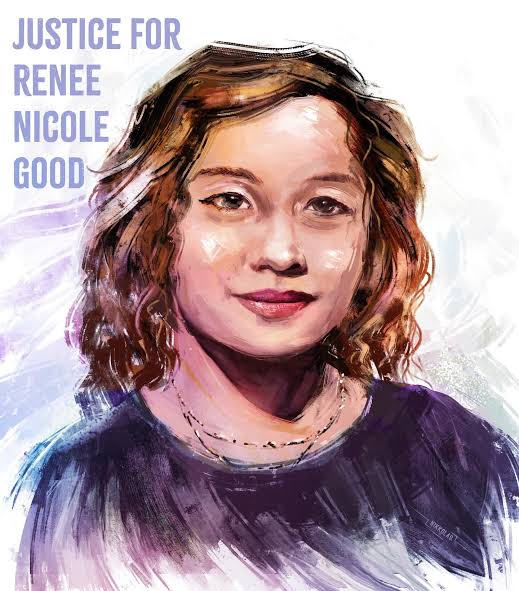
Tragic: Minneapolis Woman Identified After Fatal ICE Shooting — Community Demands Accountability
A Minneapolis woman, Renee Nicole Good, was identified after being fatally shot by an ICE agent. Here’s what happened, what videos show, and why the incident is fueling national debate.
Focus Keywords:
Minneapolis shooting, ICE agent shooting, Renee Nicole Good, federal agent shooting, Minneapolis news, immigration enforcement controversy
A Tragic Incident Shakes Minneapolis
A fatal shooting involving a U.S. Immigration and Customs Enforcement (ICE) agent has left the Minneapolis community in shock and mourning. The woman who died has been identified as Renee Nicole Good, 37, a local resident described by neighbors and family as compassionate, creative, and deeply connected to her community.
The incident occurred on January 7, 2026, near the intersection of 34th Street and Portland Avenue in south Minneapolis. Within hours, the shooting became a national headline, igniting debates over federal immigration enforcement, the use of force, and public safety in American cities.
As video footage spread online and community members gathered in large numbers, the event quickly moved beyond a single tragic encounter and into a broader conversation about accountability, transparency, and the human cost of political conflict.
What Happened on Portland Avenue?
According to initial statements from federal officials, ICE agents were operating in the area when a vehicle allegedly blocked their path. Authorities claimed the driver attempted to endanger agents, prompting an officer to open fire.
However, multiple videos recorded by bystanders have complicated that narrative. The footage appears to show federal agents approaching a red SUV, one attempting to open the driver’s door, before shots were fired. Several observers and journalists noted that the vehicle did not appear to make direct contact with any officers.
No federal agents were reported injured.
The woman inside the vehicle was later identified as Renee Nicole Good, who was pronounced dead after being shot. The conflicting accounts have led to calls for a transparent, independent investigation into what exactly happened in those critical moments.
Who Was Renee Nicole Good?
Family members and neighbors describe Good as a devoted mother, writer, and community-oriented individual. Her mother said she was “one of the kindest people” she had ever known — compassionate, forgiving, and protective of others.
Good lived just blocks from where the shooting occurred. Friends recall her as a creative spirit who enjoyed writing, art, and meaningful conversations. She leaves behind a young child and family members who are now grappling with an unimaginable loss.
At a vigil held later that evening, speakers emphasized not only the tragedy of her death but also the life she lived. Flowers, candles, and handwritten signs filled the street as hundreds gathered to honor her memory.
Community Response: Grief, Protest, and Questions
By nightfall, thousands of people had assembled near the scene. While many came simply to mourn, others voiced concern over the growing presence of federal law enforcement in their neighborhoods.
Local leaders reacted swiftly:
- Minneapolis Mayor Jacob Frey criticized the operation, calling it chaotic and demanding federal agents leave the city.
- U.S. Senator Tina Smith stated that ICE’s actions were endangering public safety.
- Minnesota officials confirmed that state and federal investigators, including the FBI and the Bureau of Criminal Apprehension, are reviewing the incident.
Civil rights advocates emphasized the need for accountability, arguing that no civilian should lose their life in such circumstances without a full and transparent investigation.
Videos Raise Critical Questions
Perhaps the most influential factor in the national response has been the emergence of multiple video angles. Unlike official statements, these clips suggest a different sequence of events — one where the vehicle appears to reverse slightly and then attempt to move away, rather than directly toward officers.
In today’s digital age, bystander footage often shapes public understanding before official reports are finalized. That reality has added urgency to calls for body-camera releases, independent oversight, and clearer federal use-of-force standards.
Legal experts note that while officers may use deadly force if they reasonably believe their lives are in danger, each case must be examined against video evidence, witness statements, and established protocols.
A Broader National Debate
This incident comes amid an intensified federal immigration enforcement strategy that has deployed more agents into major U.S. cities. Supporters argue the crackdown is necessary for border security and law enforcement. Critics counter that aggressive tactics increase the risk of misunderstandings, confrontations, and tragic outcomes involving civilians.
The Minneapolis shooting has reignited difficult questions:
- How should federal agents operate in residential neighborhoods?
- What safeguards exist to protect civilians during enforcement actions?
- And how can communities maintain trust in law enforcement when fatal encounters occur?
For many residents, the tragedy echoes past moments when a single incident became a symbol of deeper systemic tensions between authorities and the public.
Investigations Underway
State and federal agencies have confirmed that multiple investigations are ongoing. Officials have promised transparency, though community leaders insist that true accountability will depend on:
- Full release of all video footage
- Independent review by state or civilian bodies
- Clear public communication about findings
Until those answers emerge, the community remains in mourning — and in search of clarity.
Why This Story Matters
Beyond the immediate headlines, the death of Renee Nicole Good highlights the human impact of political and law-enforcement decisions. For her family, this is not a policy debate but a permanent loss. For Minneapolis, it is a moment of reckoning. And for the nation, it is another reminder of how quickly everyday encounters can turn fatal.
As one neighbor said during the vigil: “She was a good person. That’s what we will remember.”
The coming weeks will determine whether the investigations bring accountability — and whether any meaningful change follows.








Post Comment