Explosive Remarks Shake Europe: Putin Slams EU Leaders Amid Ukraine War Tensions
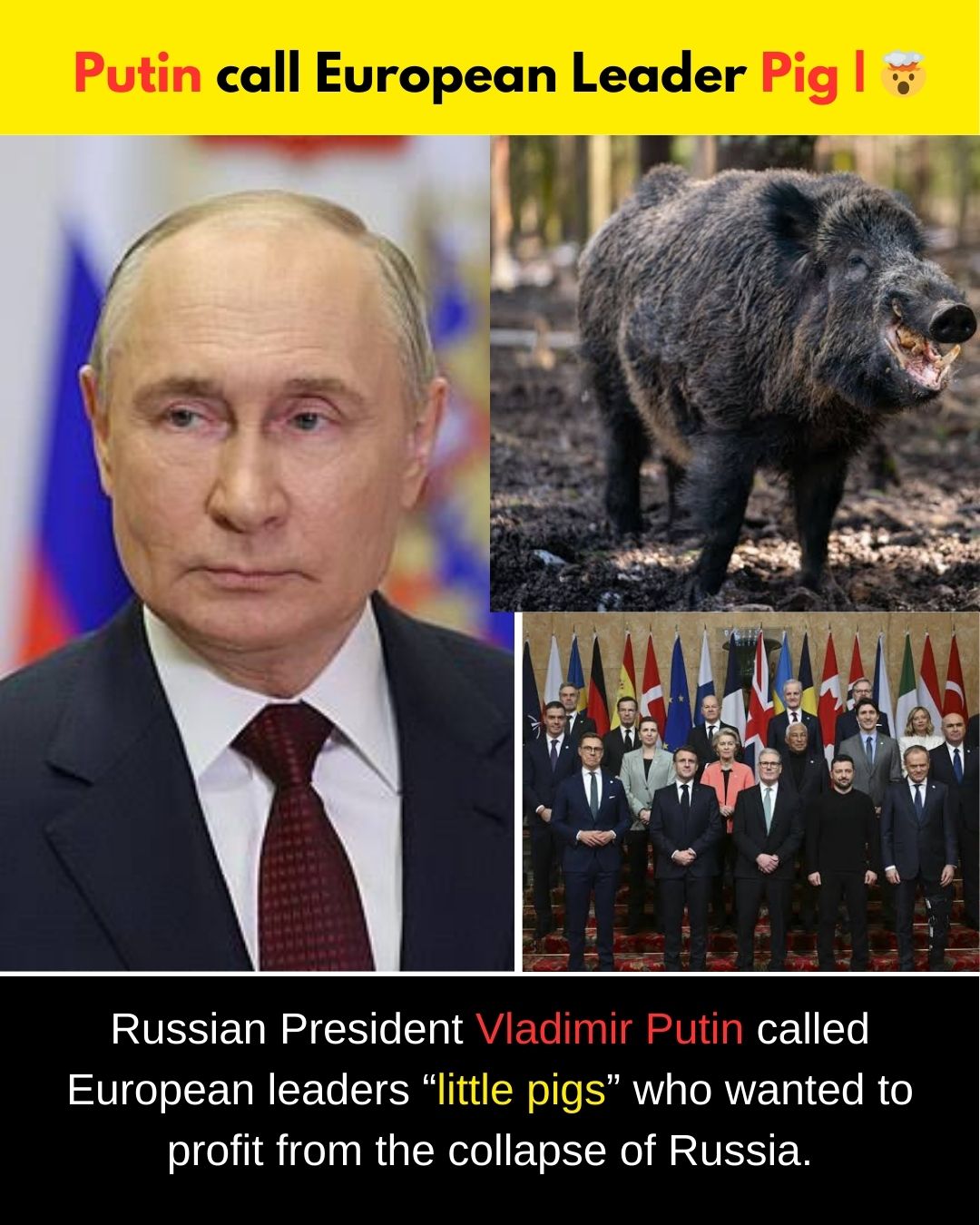
Explosive Remarks Shake Europe: Putin Slams EU Leaders Amid Ukraine War Tension
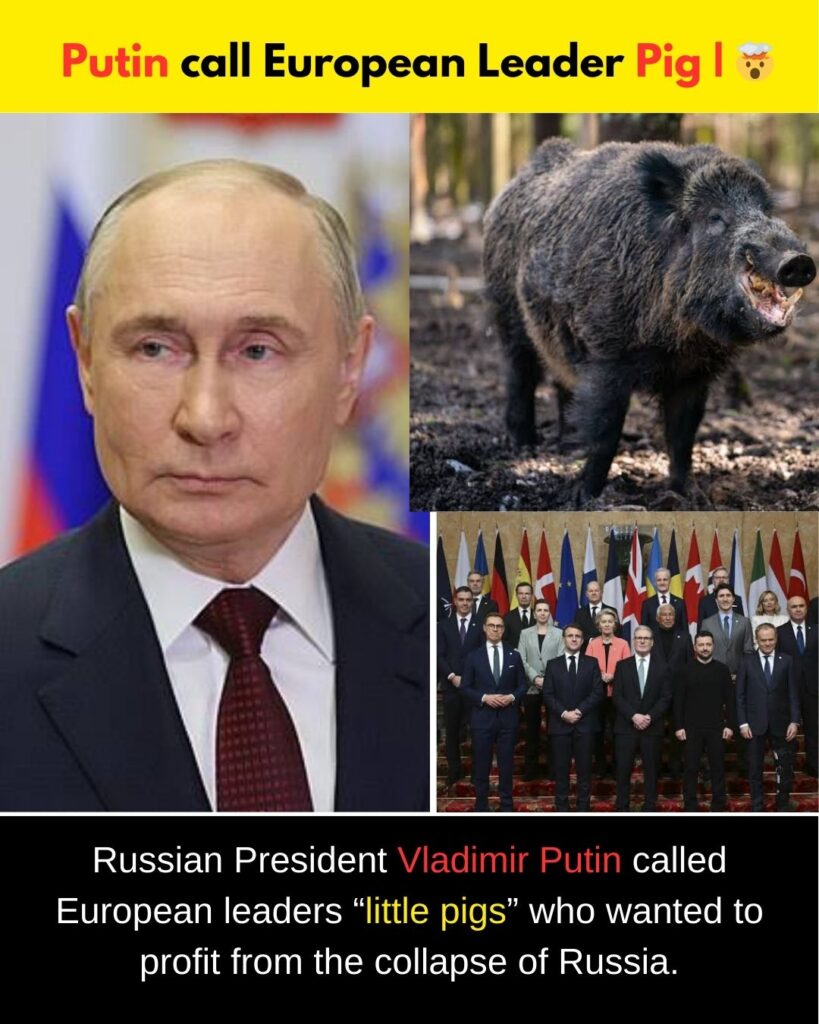
Russian President Vladimir Putin sparks global controversy after launching a verbal attack on European leaders during a defense meeting, reigniting debate over Europe’s role in the Ukraine war. Read full analysis.
Introduction
Global geopolitics witnessed another explosive moment as Russian President Vladimir Putin delivered unusually harsh remarks aimed at European leaders. Speaking during a high-level defense meeting in Moscow, Putin accused Europe of fueling the Ukraine war for its own strategic interests and used language that has already triggered strong reactions across Western capitals.
As the war in Ukraine continues into its fourth year, diplomatic tensions between Russia, Europe, and the United States remain fragile. Putin’s latest statements come at a critical time, just ahead of key European Union discussions on funding and long-term military support for Ukraine.
Putin’s Strong Words and the Message Behind Them
During his address to senior defense officials, Putin claimed that European leaders supported the conflict not out of concern for Ukraine, but in hopes of weakening Russia. According to him, Europe has long harbored ambitions to reclaim lost influence from past historical eras and saw the war as an opportunity to do so.
The Russian president suggested that these ambitions have failed, pointing to what he described as Russia’s economic stability, military preparedness, and political resilience despite years of sanctions and diplomatic isolation.
His remarks were not only directed at Europe but also revisited Washington’s role. Putin accused the former U.S. administration of knowingly escalating tensions that eventually led to the full-scale invasion of Ukraine in early 2022, with European allies quickly falling in line.
Russia’s Position on the Ukraine War
Since launching military operations in Ukraine, Russia has faced sweeping sanctions from the EU, the U.S., and other Western allies. These measures targeted Russian banks, energy exports, defense industries, and high-profile individuals close to the Kremlin.
Despite this pressure, Putin insisted that Russia has adapted. He highlighted what he called improvements in domestic production, financial systems, and military capabilities. He also praised the Russian armed forces, stating that they are among the most experienced in the world due to ongoing battlefield exposure.
However, international observers argue that the prolonged conflict has come at a significant cost, both economically and in terms of human lives, on all sides.
Europe’s Response and NATO Concerns
European leaders have largely dismissed Putin’s narrative, maintaining that support for Ukraine is about defending sovereignty and international law. NATO officials have repeatedly warned that Russia’s actions pose a long-term security threat to the region.
Recently, NATO leadership emphasized the need for member states to strengthen military readiness, citing intelligence assessments that suggest Russia could pose a broader security challenge in the coming years if left unchecked.
At the same time, European governments remain divided over how long they can sustain financial and military aid to Ukraine, especially as domestic political pressures grow.
Talks, Diplomacy, and Ongoing Skepticism
While Moscow occasionally signals openness to dialogue, meaningful peace talks remain elusive. Russia has rejected proposals that require withdrawal from occupied Ukrainian territories, while Kyiv insists that any settlement must restore its full territorial integrity.
Upcoming discussions between U.S. and Russian officials, reportedly facilitated under renewed diplomatic efforts, have sparked cautious optimism. Still, many analysts remain skeptical, noting that previous talks failed to produce lasting results.
Ukraine and its allies continue to accuse Russia of using negotiations as a strategic tool rather than a genuine attempt to end hostilities.
Why These Remarks Matter
Putin’s comments are more than rhetorical provocation. They underline the deep mistrust between Russia and Europe and signal that diplomatic relations are unlikely to improve in the near future. Such statements can also influence public opinion within Russia, reinforcing the narrative of external hostility and national resilience.
For Europe, the remarks arrive at a delicate moment, as leaders weigh military commitments, economic strain, and voter sentiment ahead of crucial policy decisions.
Conclusion
The war in Ukraine remains one of the most defining global conflicts of the decade. Putin’s explosive rhetoric toward European leaders highlights just how entrenched positions have become on all sides. While diplomacy remains the only viable path to peace, trust deficits and competing strategic interests continue to block meaningful progress.
As Europe, Russia, and the United States navigate this complex geopolitical landscape, the world watches closely—knowing that words spoken today can shape decisions that affect millions tomorrow.
- Vladimir Putin Europe remarkshttps://www.politico.eu/article/russia-vladimir-putin-calls-european-leaders-little-pigs/
- Russia Ukraine war latest news
- Putin EU leaders statement
- Ukraine war geopolitical tensions
- NATO Russia conflict analysis
- Europe Russia relations 2025






Post Comment